

Blog Details
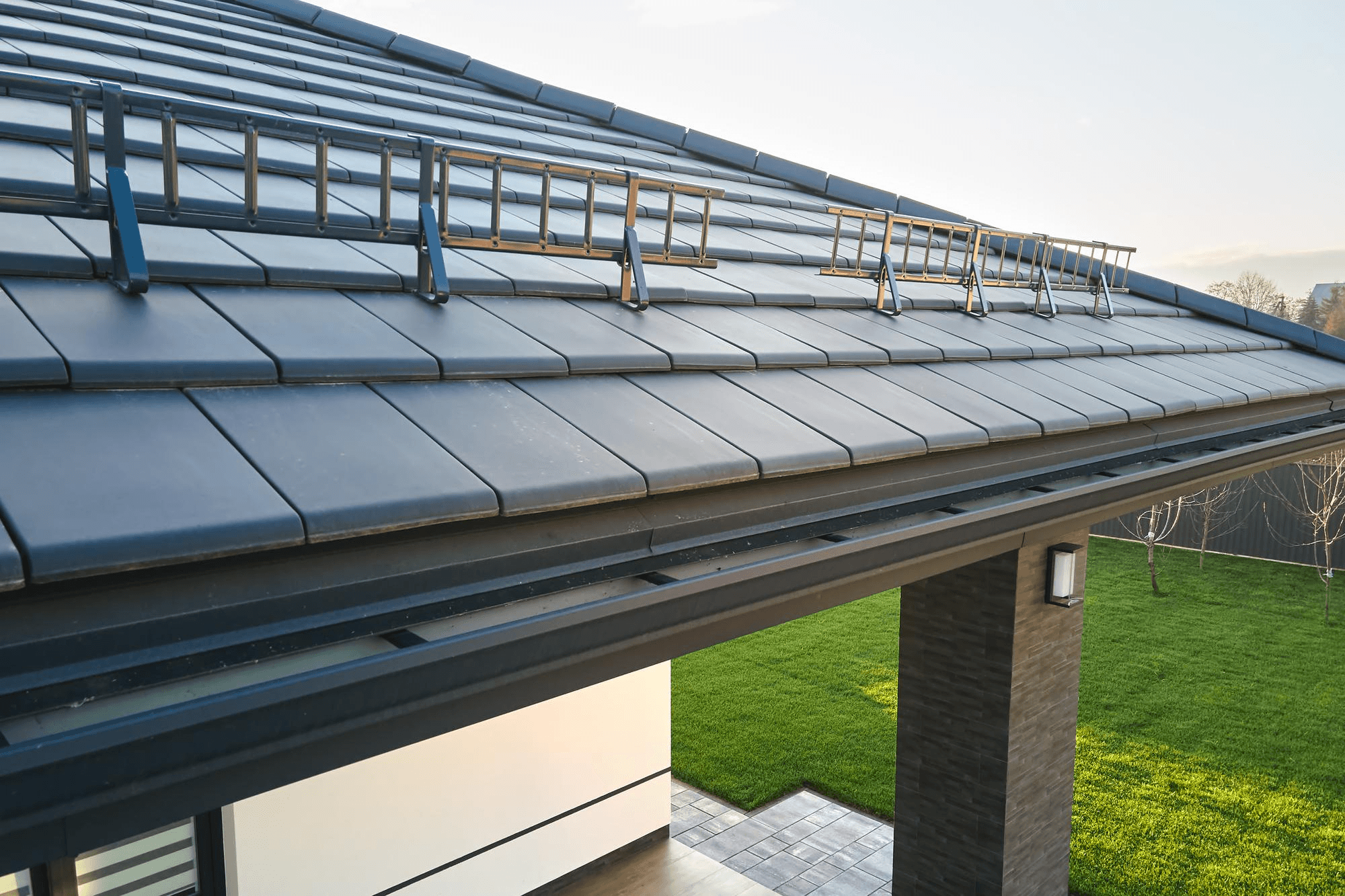
Roof damage can happen suddenly—after a storm, fallen tree, or unexpected leak. In these moments, quick action can help protect your home from further harm. Knowing what to do in the first few hours after roof damage occurs can make all the difference. Here are the key steps every homeowner should take during a roofing emergency.
Stay safe and assess the situation
Before anything else, make sure everyone in your home is safe. Avoid going onto the roof yourself, especially during bad weather or at night. Instead, inspect the damage from the ground if it’s safe to do so.
Immediate safety steps:
Keep away from sagging ceilings or dripping water
Shut off electricity in affected areas
Move valuables and furniture away from leaks
Use buckets or tarps indoors to catch water
Tip: Don’t climb onto the roof—leave that to professionals with the right equipment.
Protect your home from further damage
Temporary measures can help prevent the damage from spreading. Covering leaks or broken sections with tarps or plastic sheeting can keep water out until repairs are made.
Temporary protection ideas:
Use a heavy-duty tarp secured with boards or nails
Place buckets or containers under drips
Seal small holes with waterproof tape as a short-term fix
Clear debris from gutters to allow proper drainage
Tip: Take photos before placing a tarp—insurance companies often need clear images of the damage.
Call a professional roofing contractor
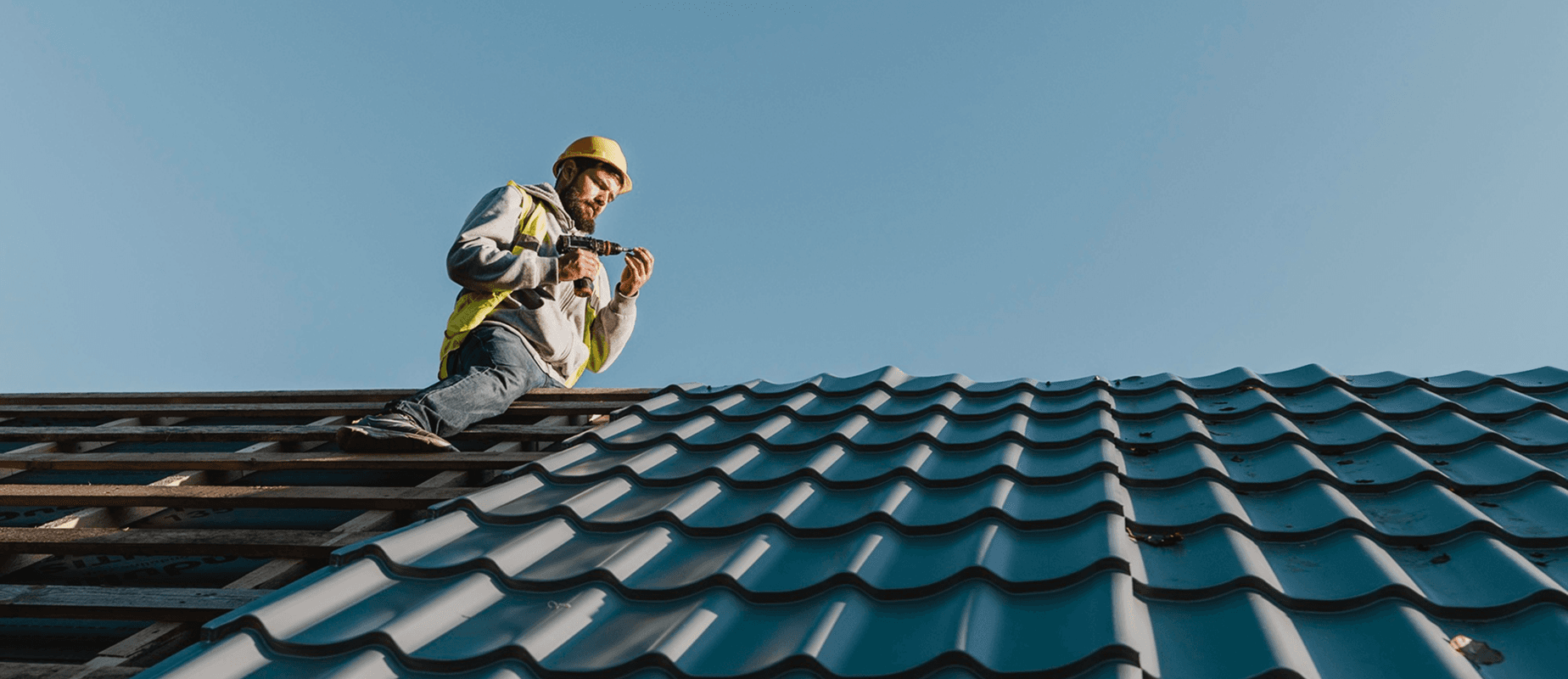
As soon as it’s safe, contact a licensed roofer for an emergency inspection. Many roofing companies offer 24/7 emergency services and can provide temporary or permanent repairs quickly.
What to look for in a contractor:
Emergency service availability
Experience with storm or impact damage
Proper licensing and insurance
Positive reviews or local recommendations
Tip: Avoid storm chasers—always verify credentials before hiring someone.
Contact your insurance provider
Once damage is under control, reach out to your homeowners insurance company. Starting the claims process early can help you get coverage for repairs faster.
When calling your insurer:
Have policy information ready
Provide photos and details of the damage
Keep records of repair receipts and communications
Ask about next steps and what’s covered
Tip: A roofing contractor can often assist with the claims process and help communicate with your adjuster.