

Blog Details
Roofs aren’t meant to last forever—but when is the right time to replace yours? While minor repairs can buy you time, a full roof replacement is often the smarter, long-term solution. Ignoring early warning signs can lead to structural damage, costly interior repairs, and even safety risks. In this post, we’ll guide you through the most common signs that your roof is nearing the end of its life, what to watch for during inspections, and how to make an informed decision about replacing your roof.
Your roof is over 20 years old
One of the simplest indicators is your roof’s age. Most asphalt shingle roofs are built to last 20–25 years. If yours is approaching this range, especially if it hasn’t had regular maintenance, it’s time to start planning. Even if it looks fine from the ground, deterioration can happen underneath. Older roofs are more vulnerable to leaks, wind damage, and material failure—especially if installed over an old layer of shingles.
Tip: Check your records or contact the builder if you’re unsure of your roof’s age.
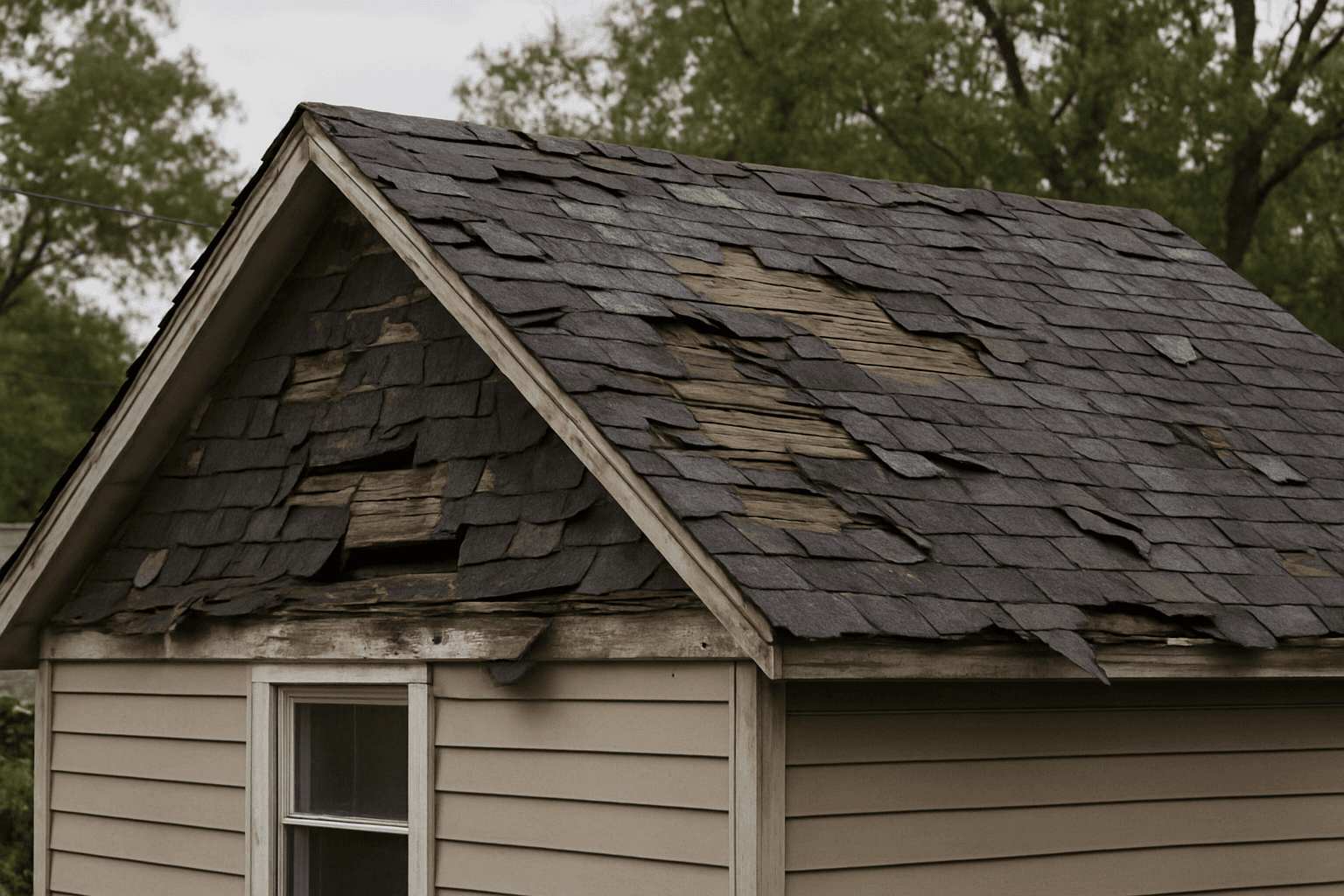
Shingles are curling, cracked, or missing
Shingles are your roof’s first line of defense. If you spot curling edges, cracked tabs, or entire shingles missing, that’s a clear sign of material failure.
These problems are often caused by:
Sun exposure (UV breakdown)
Moisture damage
Wind uplift
Poor ventilation underneath the roof deck
Cracked and loose shingles let water seep into the underlayment, leading to rot, mold, and interior leaks.
You’re noticing interior water stains or leaks
A telltale sign of a failing roof is what’s happening inside your home. Look for:
Water stains on ceilings or walls
Peeling paint or bubbling drywall
Damp insulation or attic mold
These issues typically start small but worsen fast. If your roof is leaking, patching it might help temporarily—but if leaks keep returning, it’s time to consider a full replacement.